Operating a commercial kitchen in the bustling heart of Sydney Central Business District (CBD) is exciting, but it comes with a set of highly specific operational requirements. Among the most critical, and perhaps least glamorous, is the rigorous process of maintaining kitchen exhaust systems. These systems are not merely shiny metal ducts; they are high-risk components that, if neglected, can pose serious fire hazards and lead to substantial legal penalties. Understanding the Sydney CBD kitchen exhaust cleaning regulations is not just good practice—it is an absolute necessity for business continuity and safety. This detailed guide will break down exactly what businesses need to know to remain compliant, ensuring your operations run smoothly and safely, leaving the grease and worry to us.
The Legal Landscape of Commercial Kitchen Safety
Commercial kitchens are highly regulated environments because the potential consequences of failure are so severe. The regulations governing exhaust cleaning are designed with one primary goal: fire prevention. Grease buildup, often invisible until it’s too late, acts as fuel, and the powerful heat source of a commercial kitchen creates a perfect, catastrophic cocktail. Ignoring these rules is like playing Russian roulette with a blowtorch—don't tempt fate.
Understanding Local Council and Fire Safety Authority Requirements
Compliance in Sydney is a multi-layered process involving both local council mandates and state-level fire safety authorities. These bodies work together to create a safety net, ensuring that all commercial premises meet a minimum standard of risk mitigation.
- Mandatory Cleaning Schedules: There are strict, non-negotiable schedules for cleaning. These schedules are dictated by the type and intensity of cooking operations (e.g., deep frying generates more grease than steaming). System Inspection: Regular professional inspections are required. These inspections check not only the visible components but also the internal structure of the ductwork, which can be tricky business to navigate. Documentation is King: Every cleaning, inspection, and maintenance activity must be meticulously documented. This paper trail (or digital record) is your primary defense should an incident ever occur.
If you think compliance is just about calling a cleaner, think again. It involves a comprehensive system of checks and balances that require specialized knowledge.
Why the CBD Focus is Different
The Sydney CBD adds an extra layer of complexity. Because these buildings are densely packed, often high-rise, and house multiple businesses, the risk of a single failure cascading across several premises is significantly rangehood cleaning Inner West higher. The regulations reflect this density, demanding a proactive and highly visible commitment to safety from every operator.
Deep Dive into Sydney CBD Kitchen Exhaust Cleaning Regulations
The term "exhaust cleaning" covers a range of services, and understanding the scope is crucial. It’s not simply washing the visible hood; it’s about penetrating the system.
What Exactly Needs Cleaning?
The system is far more complex than the hood itself. The regulations cover multiple interconnected components:
- The Hood and Filters: These are the most visible parts, but they accumulate grease rapidly. They need regular mechanical cleaning. The Grease Trap: While often separate, the grease trap must be maintained to prevent blockages that can back up into the main system. The Ductwork: This is the most critical area. Grease residue builds up on the inside walls of the ducts. If this buildup reaches a certain point, it can ignite, even from a small external spark. Fire Suppression Systems: The cleaning process must also ensure that the attached fire suppression systems (like Ansul) are functioning optimally and not blocked by residue.
The Science of Grease Buildup
Grease is not just oil; it’s a complex mixture of fats, oils, and particulates that cool and solidify over time. Over months of operation, this solid buildup acts like a highly combustible sponge, soaking up cooking residues and making the system a tinderbox.
"Grease is like time in a commercial kitchen," notes one industry veteran. "It builds up slowly, silently, and eventually, it becomes the single biggest liability."
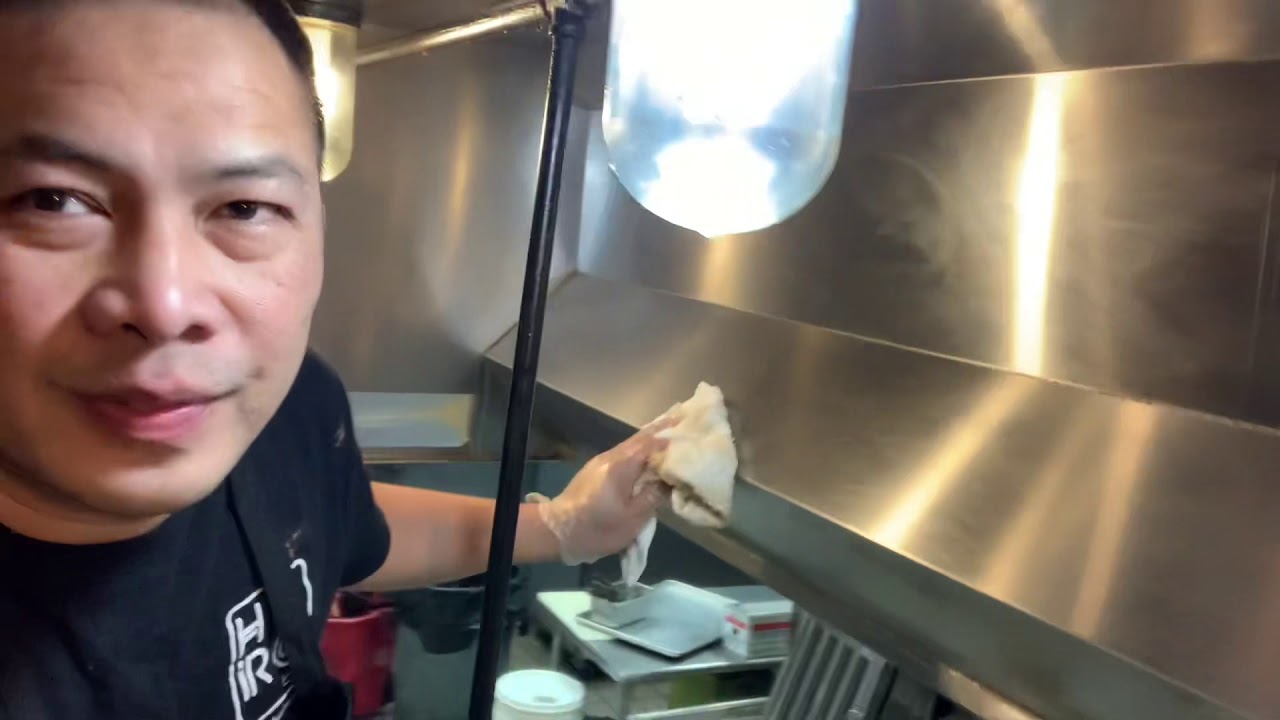
The regulations are designed to stop this slow, creeping danger. Are you confident that your current cleaning schedule accounts for the rate of grease buildup specific to your operation?
Maintaining Compliance: The Action Plan
Successfully navigating the Sydney CBD kitchen exhaust cleaning regulations requires adopting a structured, preventative approach rather than a reactive one. It’s about building safety into your daily operations.
Establishing a Professional Maintenance Protocol
Hiring a reputable, licensed commercial cleaning service that specializes in exhaust systems is the first step. These professionals don't just bring a bucket and a brush; they bring specialized equipment and deep knowledge of the regulations.
When vetting a service provider, ensure they can provide:
- Licensed Personnel: Confirm they are licensed to operate within NSW commercial premises. Detailed Reporting: They must provide written, signed reports after every service, detailing the scope of work, the findings, and the date. Insurance Coverage: Verify they carry adequate public liability insurance.
The Importance of Staff Training
Compliance doesn't stop at the cleaning company. Your staff must also play a role. They need to understand the basics:
- Daily Practices: Keeping filters free of large debris and managing oil waste properly. Reporting Issues: Knowing when to shut down or restrict operations if a visible problem (like excessive dripping or smoke) occurs.
One restaurant owner, who initially treated cleaning as a burdensome cost, realized that investing in thorough, compliant maintenance saved them from a potential $200,000 fine and, more importantly, a crippling closure. This anecdote perfectly illustrates that compliance is an investment in peace of mind.

Beyond Compliance: Operational Excellence
Ultimately, adhering to the Sydney CBD kitchen exhaust cleaning regulations is the floor, not the ceiling, of your operational standard. By treating your exhaust system with the respect and attention it deserves, you are doing more than just staying legal; you are safeguarding your business, your employees, and the public.
Think of your exhaust system as the circulatory system of your kitchen. If it’s clogged, sluggish, or compromised, the entire body suffers. By treating it with meticulous care, you ensure that the heart of your business continues to beat strongly and safely.
How can you ensure your current provider is keeping up with the evolving nature of these rules? Don't wait for an inspection notice to prompt action.

By proactively scheduling comprehensive cleanings, maintaining immaculate records, and ensuring your entire team understands their role in safety, you turn a potential liability into a model of operational excellence. This commitment to safety not only satisfies the toughest Sydney CBD kitchen exhaust cleaning regulations but also builds trust with your customers and regulators alike.
By prioritizing these details, you ensure that your kitchen remains a place of culinary magic, not a legal headache. Take the time today to review your maintenance logs and confirm that your safety protocols are airtight.
HygieneXperts - Commercial & Residential Cleaning Services
12C Tungarra Rd Girraween NSW 2145 Australia,
61498203983